UK Tyre Law Essentials

Keeping road users safe is our priority — that's why UK law enforces minimum standards for tyre health, tread depth, and regular maintenance. Find out more about tyre law essentials below.

What is the legal minimal tyre tread depth in the UK?

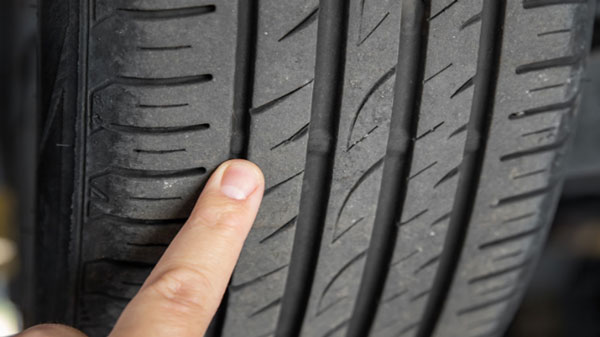
The legal minimum tread depth for cars in the UK is 1.6mm across the central three-quarters of the tyre, around the entire circumference.

Driving with tyres below the legal limit can result in:

  • A fine of up to £2,500 and 3 penalty points per illegal tyre
  • A potential MOT failure
  • Reduced safety and increased stopping distances

Although 1.6mm is the legal minimum, many tyre manufacturers and safety organisations recommend considering replacement before tyres reach this level.

Image of a car tyre with a finger pointing on the area where it shows very low tyre tread depth which is illegal in the UK

How do I check my tyre tread depth?

Most modern tyres have tread wear indicators built into the grooves. These indicators show when the tread has reached the legal limit.

You can also check your tyres using a tread depth gauge or by looking for:

  • Tread that appears worn level with the indicators
  • Reduced grip in wet conditions
  • Uneven wear across the tyre
  • Cracking or visible damage

If you are unsure about your tyre condition, Ford Lane Tyres mobile tyre technicians can inspect your tyres and advise whether replacement is needed.

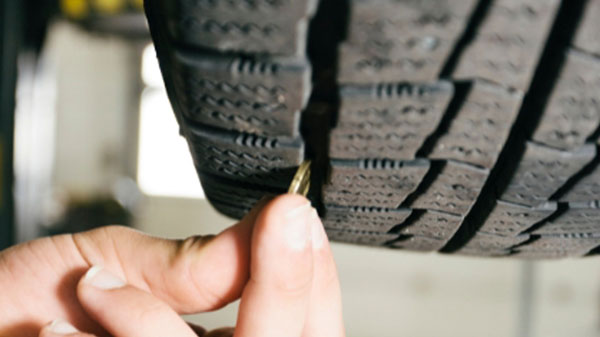
The easiest way to check your tyre tread is using a 20p coin. Simply insert the coin into the main tread grooves which will indicate the following:

  • If the outer band (or rim) of the coin is hidden, your tyres are above the legal limit.
  • If the band is visible, the tread is too low and your tyres need immediate replacement.
Image showing how you can easily measure your tyre tread depth with a coin to see if it legal or illegal in the UK

What tyre pressure should my vehicle have?

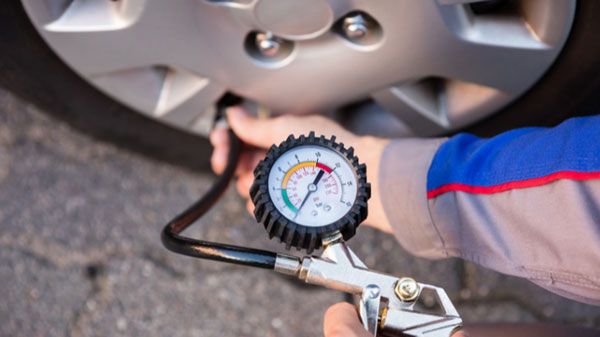
Correct tyre pressure is essential for safety, handling and fuel efficiency.

The recommended pressure for your vehicle can usually be found:

  • Inside the driver’s door frame
  • In the owner’s handbook
  • Inside the fuel filler flap

Driving with incorrect tyre pressures can cause uneven tyre wear and affect braking performance.

Image shows somebody measuring their tyre pressure using a car tyre pressure gauge

Are damaged tyres legal in the UK?

A tyre can fail an MOT or be considered unsafe even if it has enough tread.

You should check for:

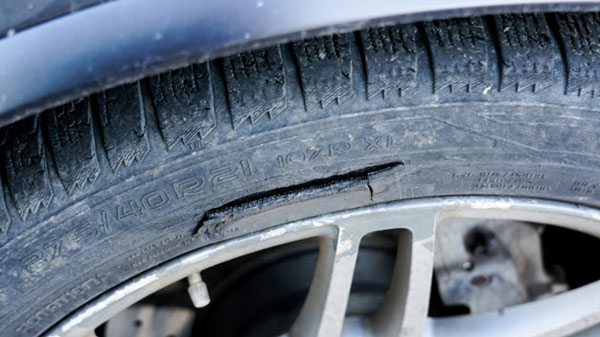
  • Cuts or splits in the tyre sidewall
  • Bulges or lumps
  • Exposed cords
  • Excessive cracking
  • Damage caused by potholes or impacts

Sidewall damage is particularly important as it can affect the structural safety of the tyre.

Image showing a cracked and damaged car tyre sidewall which is illegal in the UK and would need immediate replacement

Are winter tyres required by law in the UK?

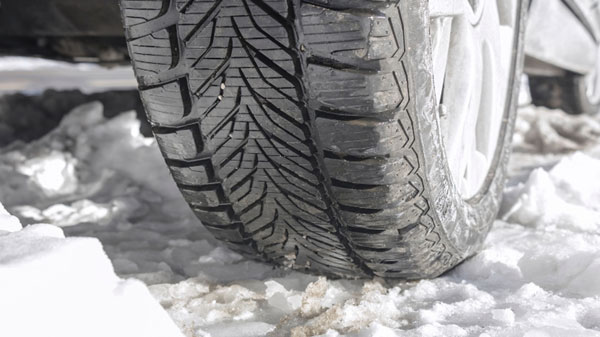
Unlike some European countries, winter tyres are not compulsory in the UK.

However, winter tyres or all-season tyres can provide improved grip and control in colder temperatures and challenging weather conditions.

Outdoor image showing a car tyre and its tread depth parked on the snow in winter in the UK

Do tyres need to match?

The same type of tyre should generally be fitted on the same axle, and tyres must meet legal requirements for size, load rating and speed rating.

Mixing unsuitable tyres can affect handling and safety.

Outdoor image of a white sports car parked showing matching tyres on the front and rear which helps with overall performance and handling

Do I need new tyres or a professional tyre check?

If your tyres are worn, damaged or approaching the legal limit, Ford Lane Tyres can help.

Our mobile tyre fitting service brings professional tyre replacement directly to your home, workplace or roadside location across Sussex and Hampshire.

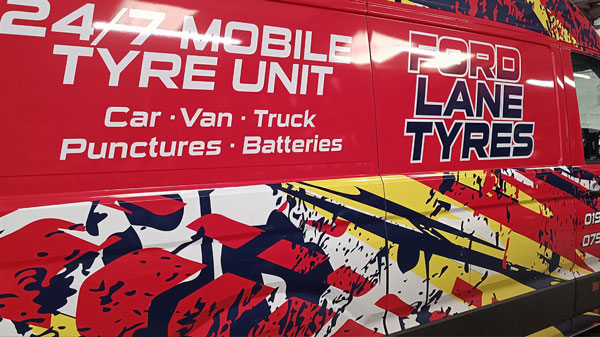
Indoor image of Ford Lane Tyres mobile tyre fitting van with bright red graphics and white and black signage

Need assistance?